
Menopause is not just hormonal.
It’s historical. It’s cultural. It’s political. It’s personal.
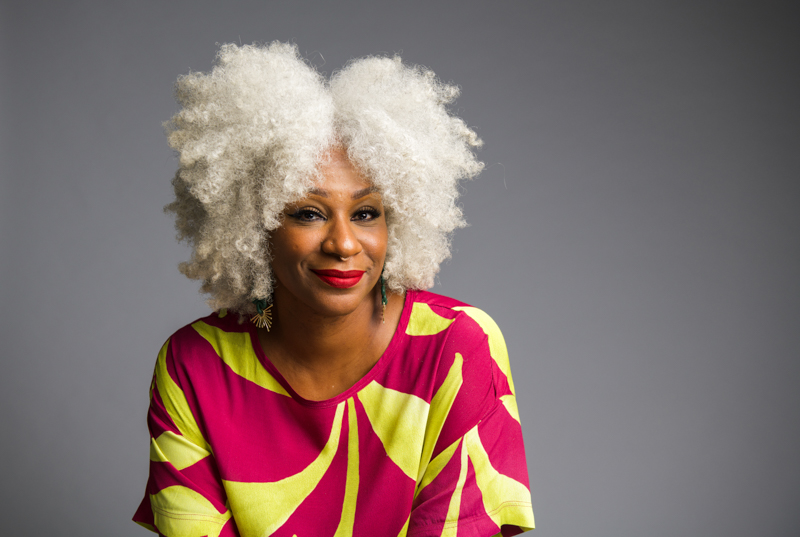
In this powerful conversation on The Stay Juicy Podcast, I sat down with Omisade Burney-Scott to widen the frame of what menopause really means — especially during Black History Month, when it feels even more urgent to examine who is centered in health conversations and who is not.
Too often in the United States, menopause has been reduced to a narrow, medicalized story: hot flashes, hormone prescriptions, symptom management. But Omisade invites us into something far more expansive — what she calls the Menopausal Multiverse.
And once you hear that phrase, you can’t unhear it.
Who Is Missing From the Menopause Narrative?
We had to ask hard questions:
- What is the dominant narrative about menopause in this country?
- Who is centered in that narrative?
- Whose stories are absent?
- Whose care has been historically deprioritized?
Menopause does not happen outside of context. It happens inside bodies that have lived decades of stress, labor, caregiving, systemic inequity, and resilience.
If we are going to treat women well in midlife, we have to understand that biology does not operate independently from lived experience.
Weathering, Trauma, and Generational Stress
We discussed the concept of “weathering” — the cumulative biological impact of chronic stress over time.
Midlife is not just about fluctuating estrogen. It’s about the body accounting for everything it has carried.
For some women, menopause intersects with racial stress, generational trauma, economic strain, and systemic neglect. That context matters. It shapes symptoms. It shapes access. It shapes outcomes.
When we ignore that, we flatten the experience.
When we acknowledge it, we humanize care.
Reproductive Justice Includes Menopause
Reproductive justice doesn’t end when fertility does.
Bodily autonomy must extend into midlife. Language must be inclusive. Care must be culturally competent. Providers must understand that identity shapes physiology and access.
Menopause is not just a biological shift. It is a cultural moment. And culture shifts slowly — but it shifts when we build safe containers for new narratives to emerge.
About Omisade Burney-Scott
Omisade Burney-Scott (she / her) is a Black southern 7th generation native North Carolinian feminist, social justice advocate and creative with decades of experience in nonprofit leadership, philanthropy, and social justice. She is the Creator of the Black Girl’s Guide to Surviving Menopause, a multimedia culture and narrative shift reproductive justice project.
You can follow Omisade on Instagram.
Listen to the Full Conversation
🎧 Spotify
📺 Watch on YouTube
Ready for Personalized Midlife Care?
If you’re navigating menopause and want care that understands both the biology and the broader context of your life, you can book a consultation at Tula Wellness HERE.